

Gaspar Homar
Palma, 1870 – Barcelona, 1955
English
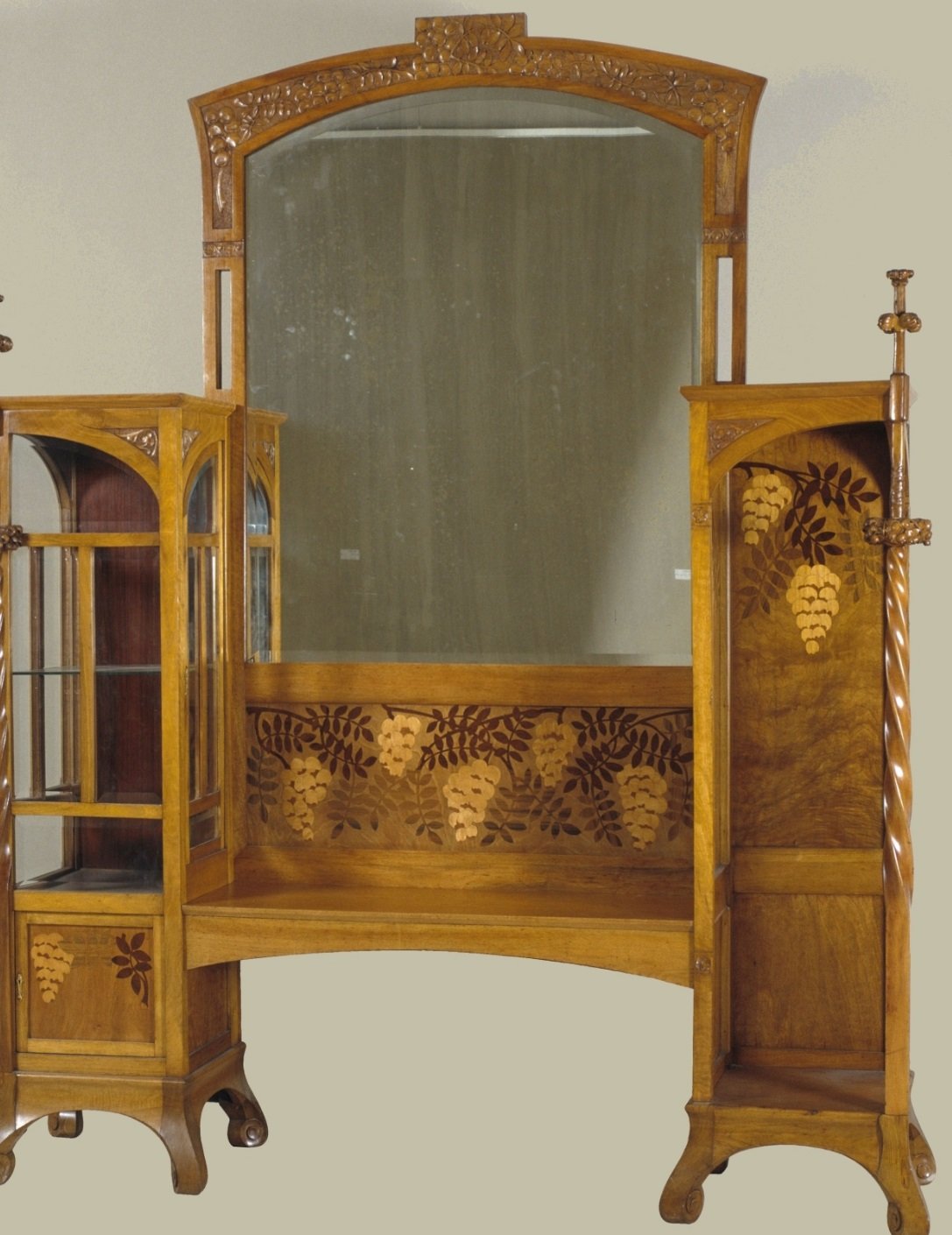
The search for beauty, utility and comfort and a certain element of exhibitionistic luxury are essentials of Modernism, as found in the interiors of bourgeois housing.Together with architects, carpenter-decorators became a fashionable profession, receiving commissions from the bourgeois and concerning themselves with the furniture design and decoration of the houses; a reflection of the tastes of the time and the new way of living. Gaspar Homar (in Spanish) and Joan Busquets (in Spanish) are two outstanding examples of this profession. The Museu Nacional dArt de Catalunya holds a notable range their work, both projects and furniture.
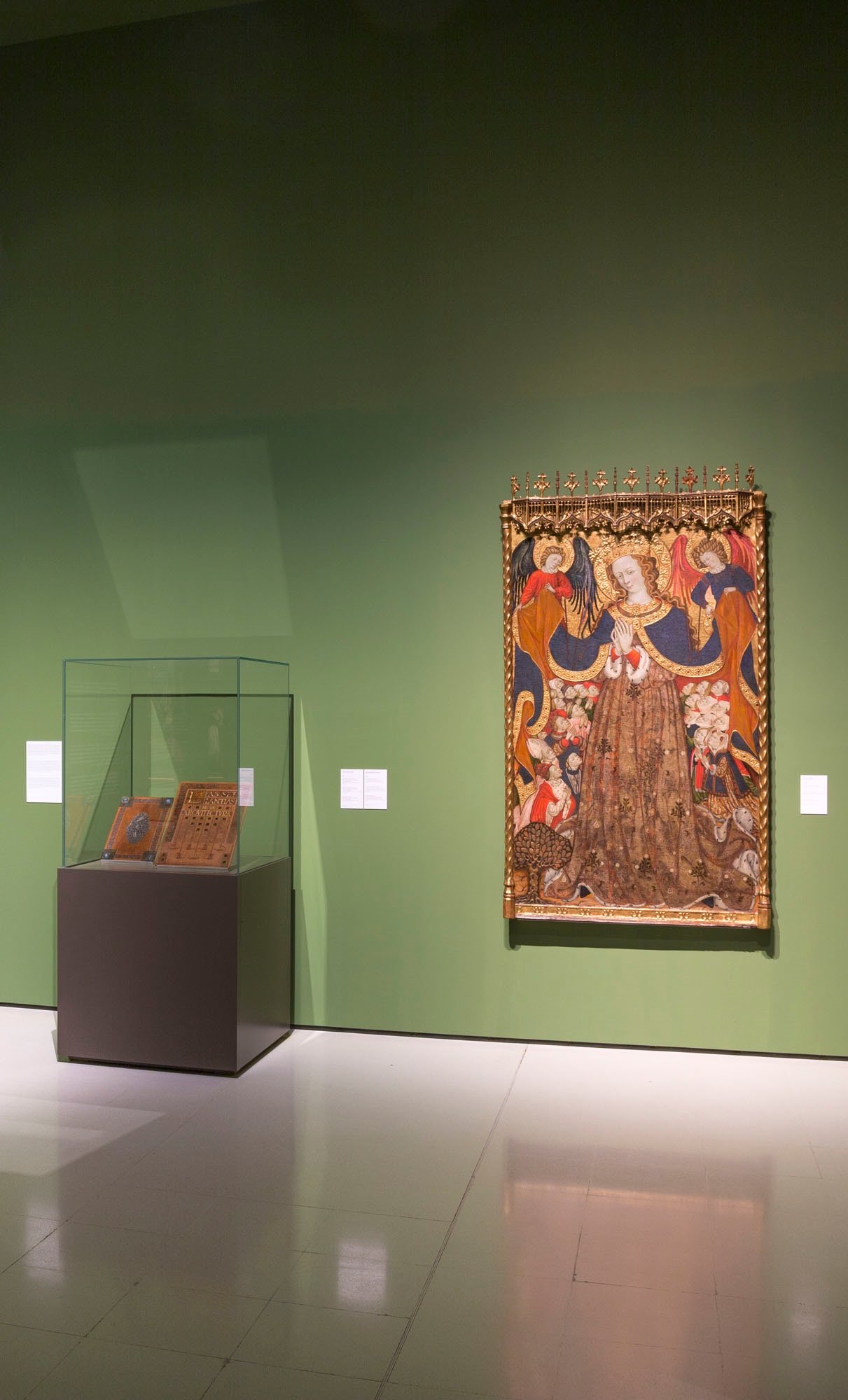
A display of this collection is currently on exhibition in room 56 of the museum, within the frame of Partage Plus-Digitising and Enabling Art Nouveau for Europeana, a project partially financed by the European Union, which makes this valuable modernist collection of the museum accessible to the public.
You can see more works by Gaspar Homar and Joan Busquets in the Online Collection

Read more
The occasion for the publication of this catalogue was the exhibition bringing together some one hundred thirty works, including drawings, mosaics, marquetry, and furniture, by Gaspar Homar, a leader of the modernistes' revaluation of the decorative arts. The book begins with an introduction to...
Read more
Palma, 1870 – Barcelona, 1955
The Lleó Morera house, at Passeig de Gràcia 35, had one of the most notable and best conserved sets of interior decoration of Modernisme on its main floor. ...
Read more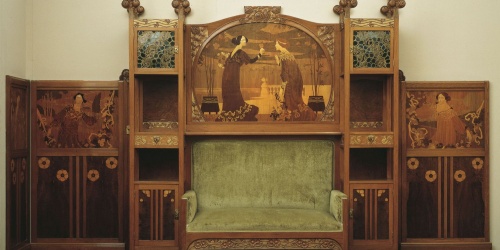
Partage Plus is a project coordinated by Collections Trust and the Musées Royaux d'Art et d'Histoire of Belgium, with the aim of publishing, through the web portal of Europeana, a catalogue with more than 75,000 art nouveau works.
The project, in which 23 institutions participate from all over Europe, started in March 2012, and finished in March 2014.
The Museu Nacional d’Art de Catalunya is the only one from the Spanish state that participates, with the contribution of 2,082 works of all artistic types: posters, medals, sculptures, paintings, furniture, drawings, prints, decorative arts, etc., 56 of which can be seen in 3D. All of which can be consulted in our online catalogue.
The contribution of the museum counts on works by Antoni Gaudí, Josep Llimona, Ramon Casas, Gaspar Homar, Isidre Nonell, Santiago Rusiñol, Joan Busquets, Alexandre de Riquer, Lambert Escaler and other Catalan artists who lived and created under the influence of art nouveau, better known here in Catalonia as Modernisme. In addition to this representation of Catalan art, the museum also presents works by foreign creators such as Maxfield Parrish, Henri Privat-Livemont, Edward Penfield or Alphonse-Marie Mucha.
See the magazine Uncommon Culture (Vol 4, No 7/8 (2013): Art Nouveau)
Read more
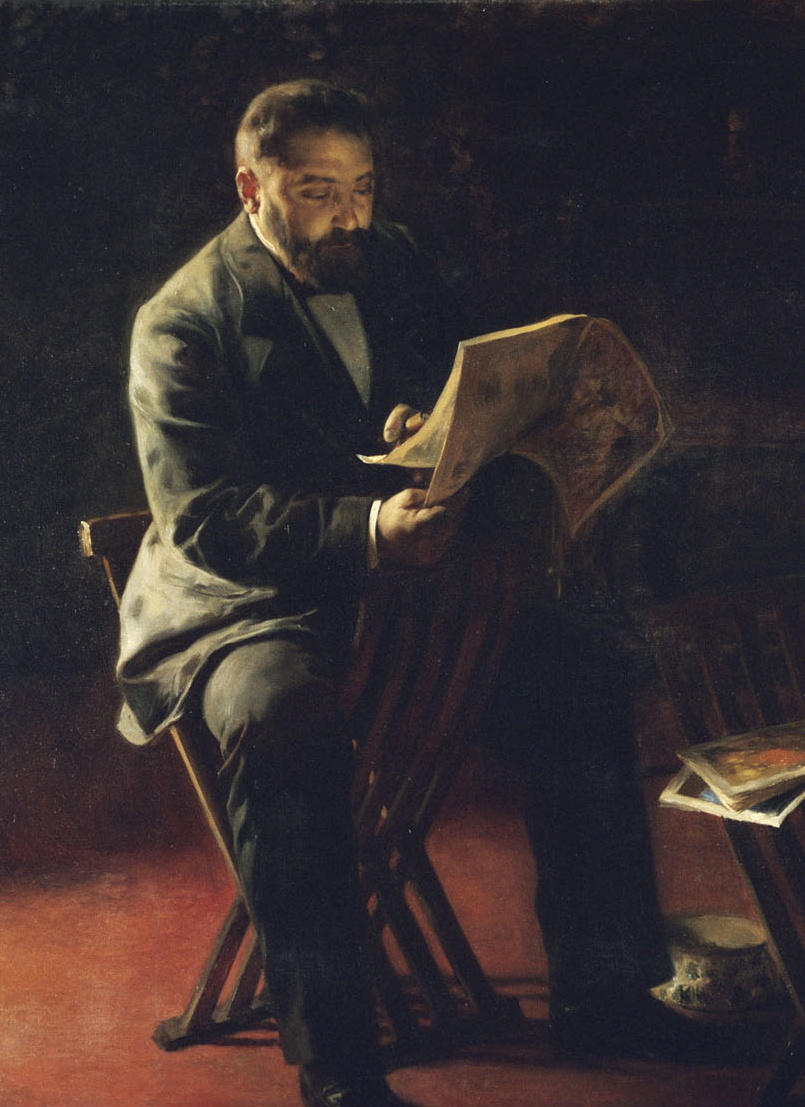
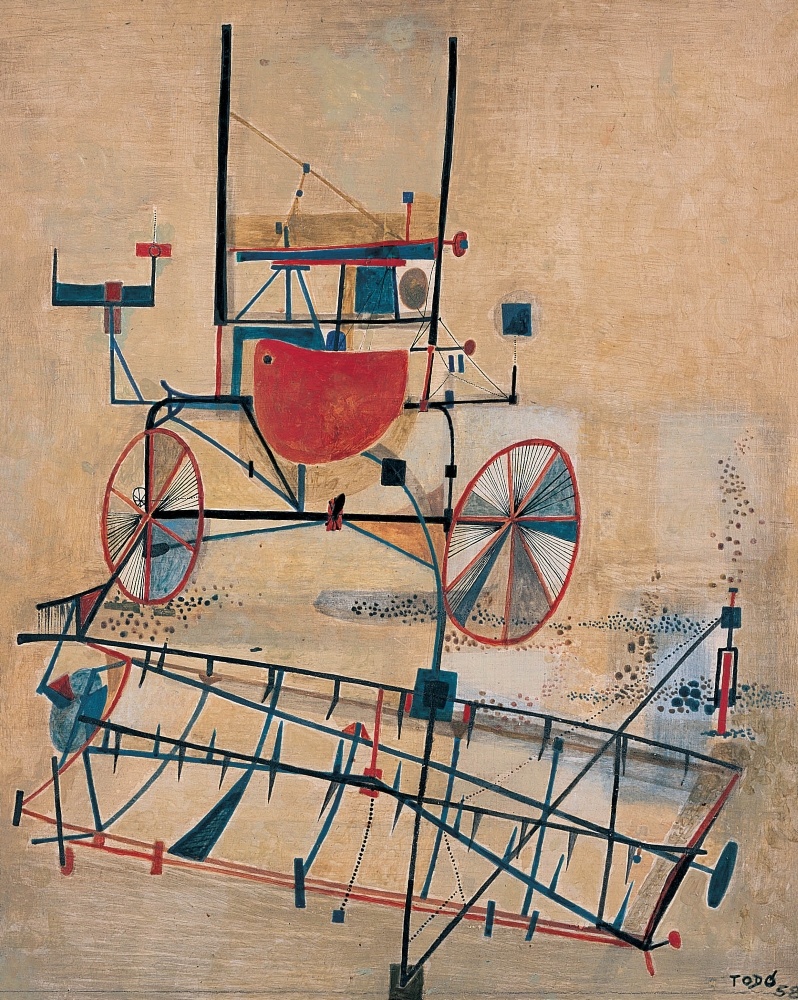
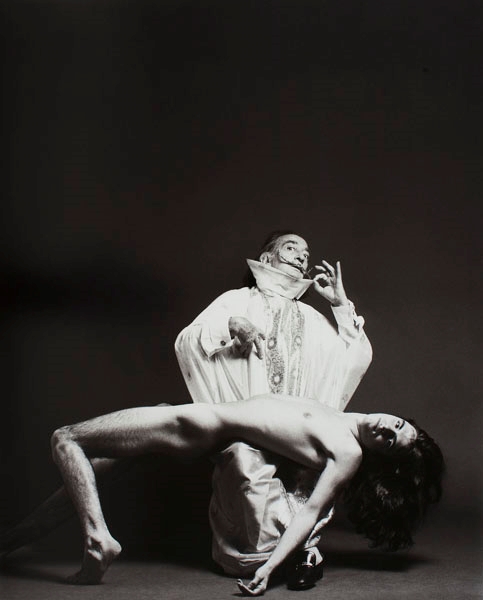
On the occasion of the exhibition Gala Salvador Dalí. A Room of One’s Own in Púbol, there was a small intervention in the Room 75 of Modern Art Collection, which includes nine photographs of Dalí resulting from the "photographic sessions" of some of the most outstanding Catalan photographers of the moment.
From 3/7/2018 to 14/10/2018
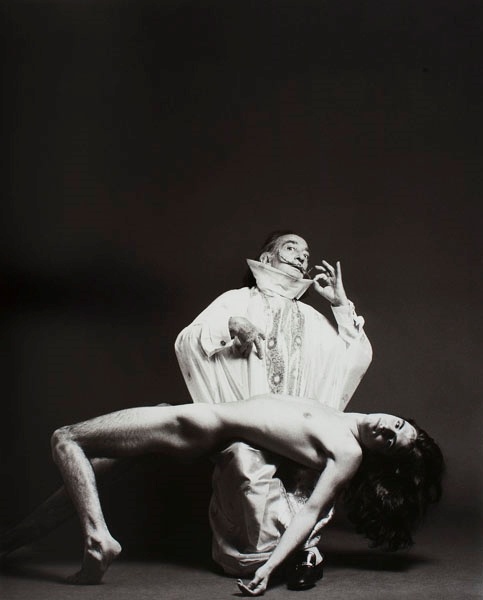
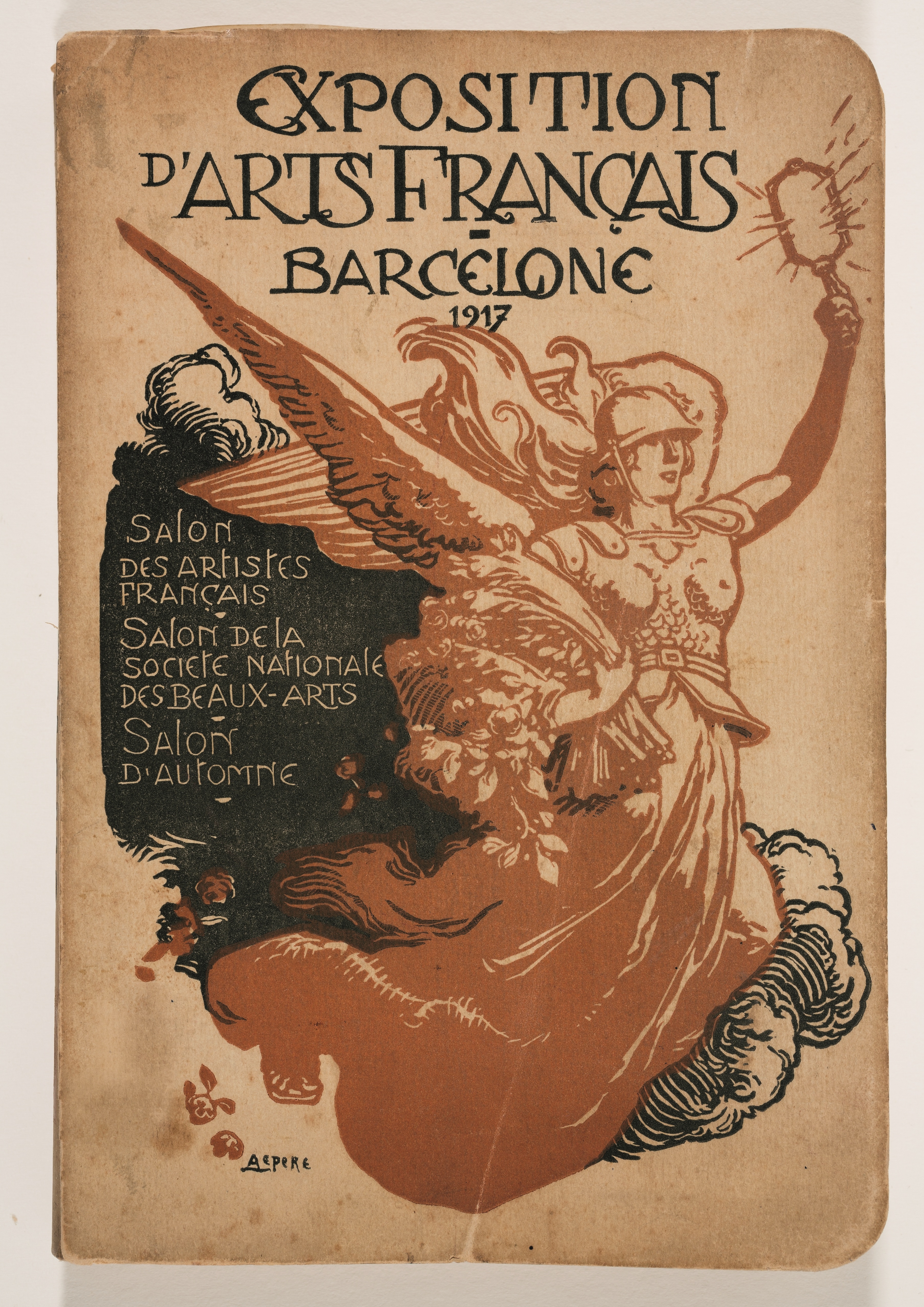
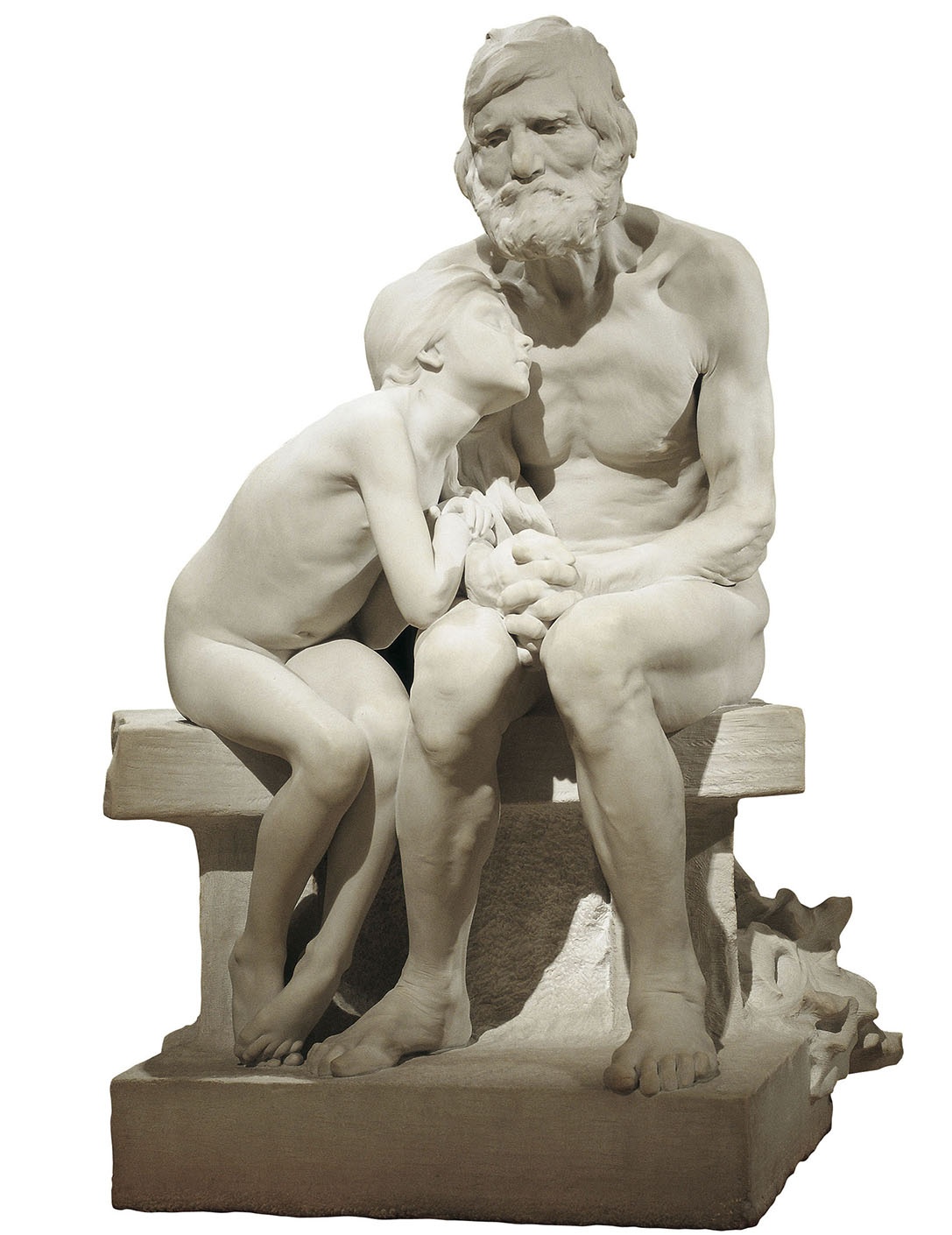
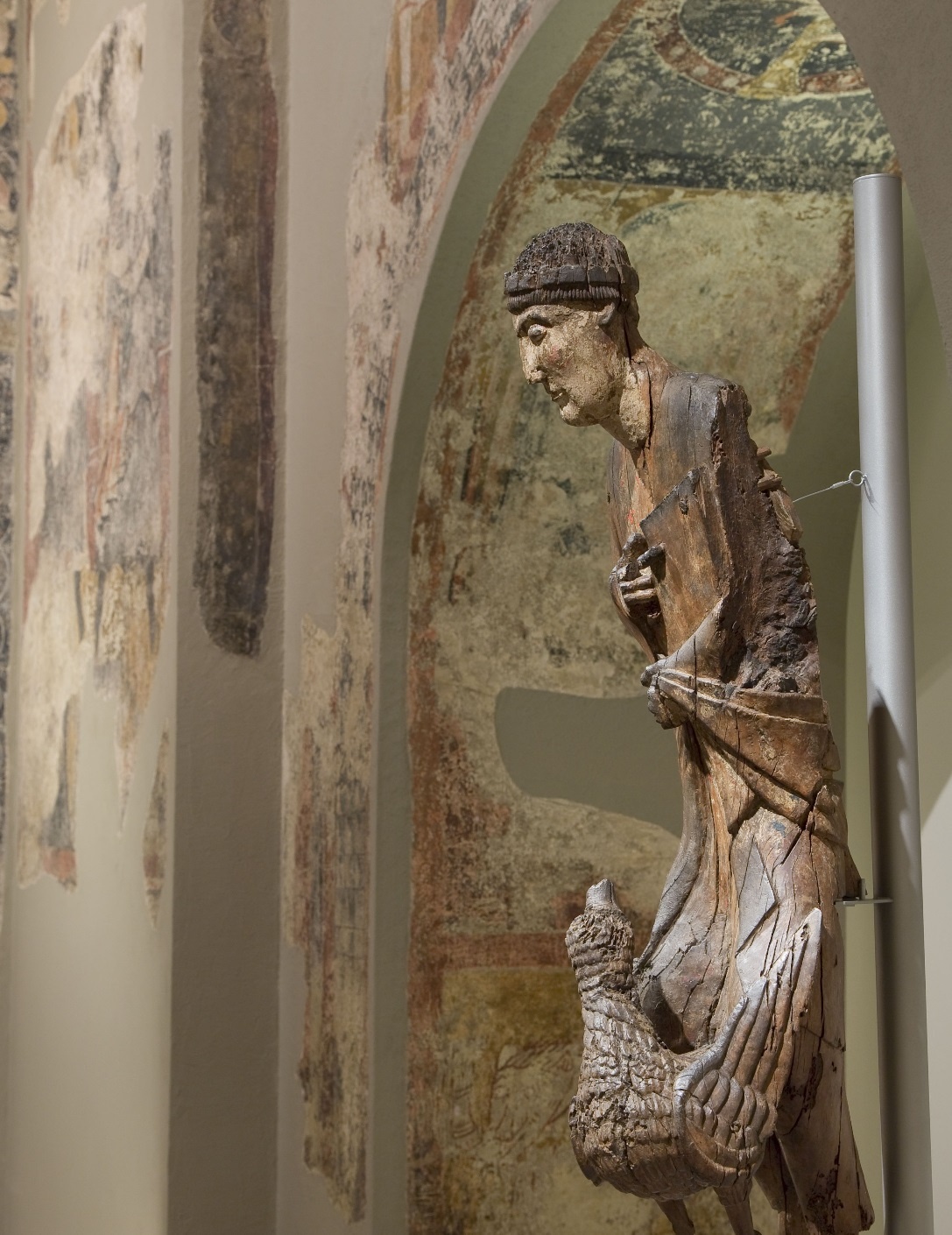
A display of this collection is currently on exhibition in room 56 of the museum, within the frame of Partage Plus-Digitising and Enabling Art Nouveau for Europeana, a project partially financed by the European Union, which makes this valuable modernist collection of the museum accessible to the public.
From 11/06/2013 to 30/03/2014
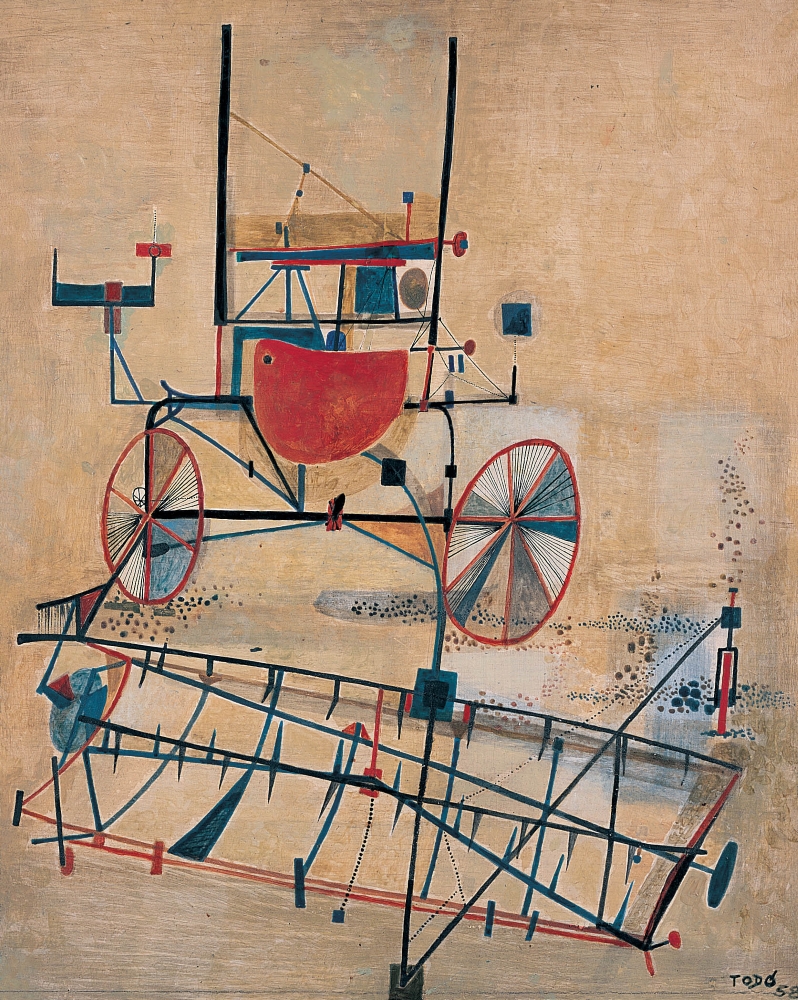

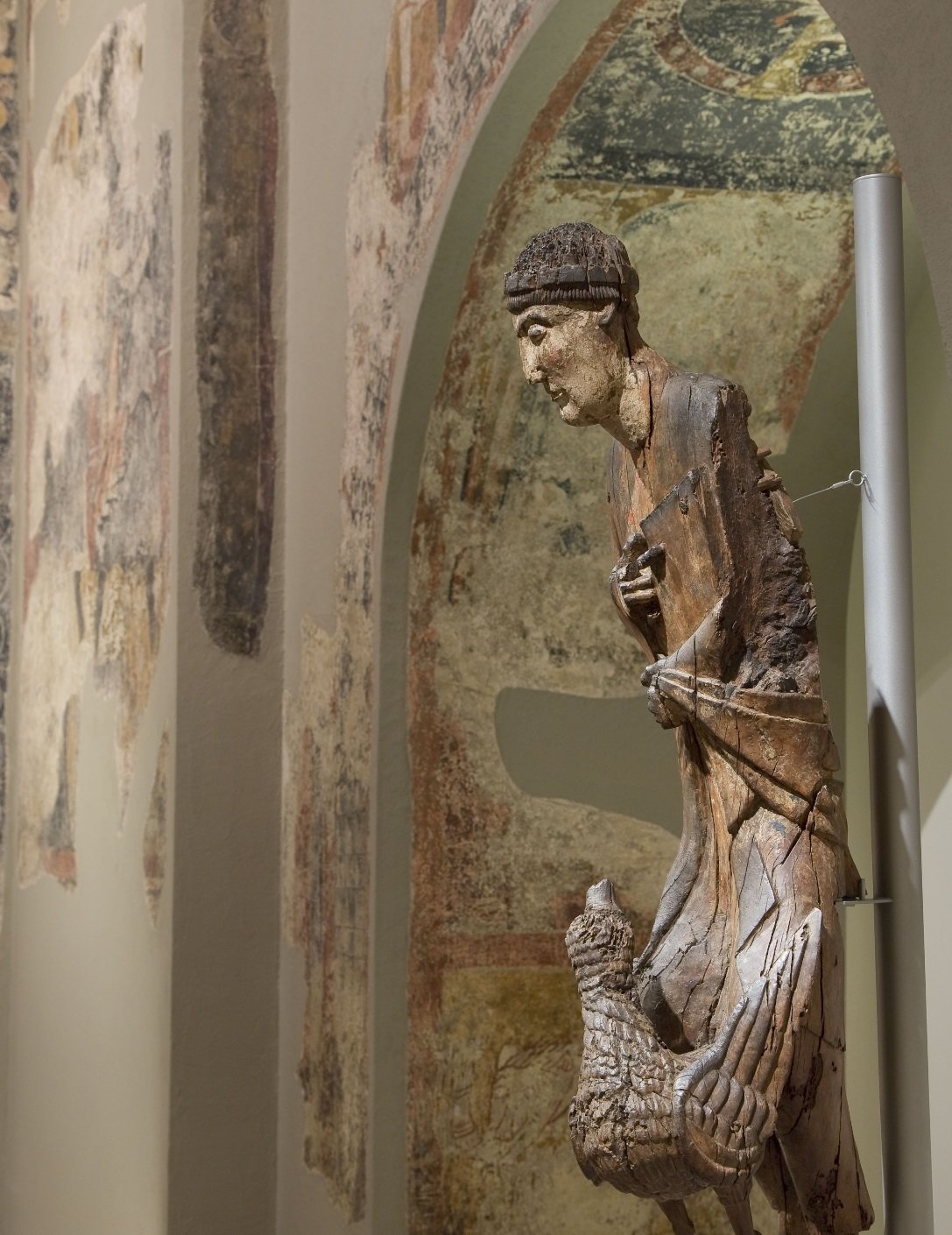
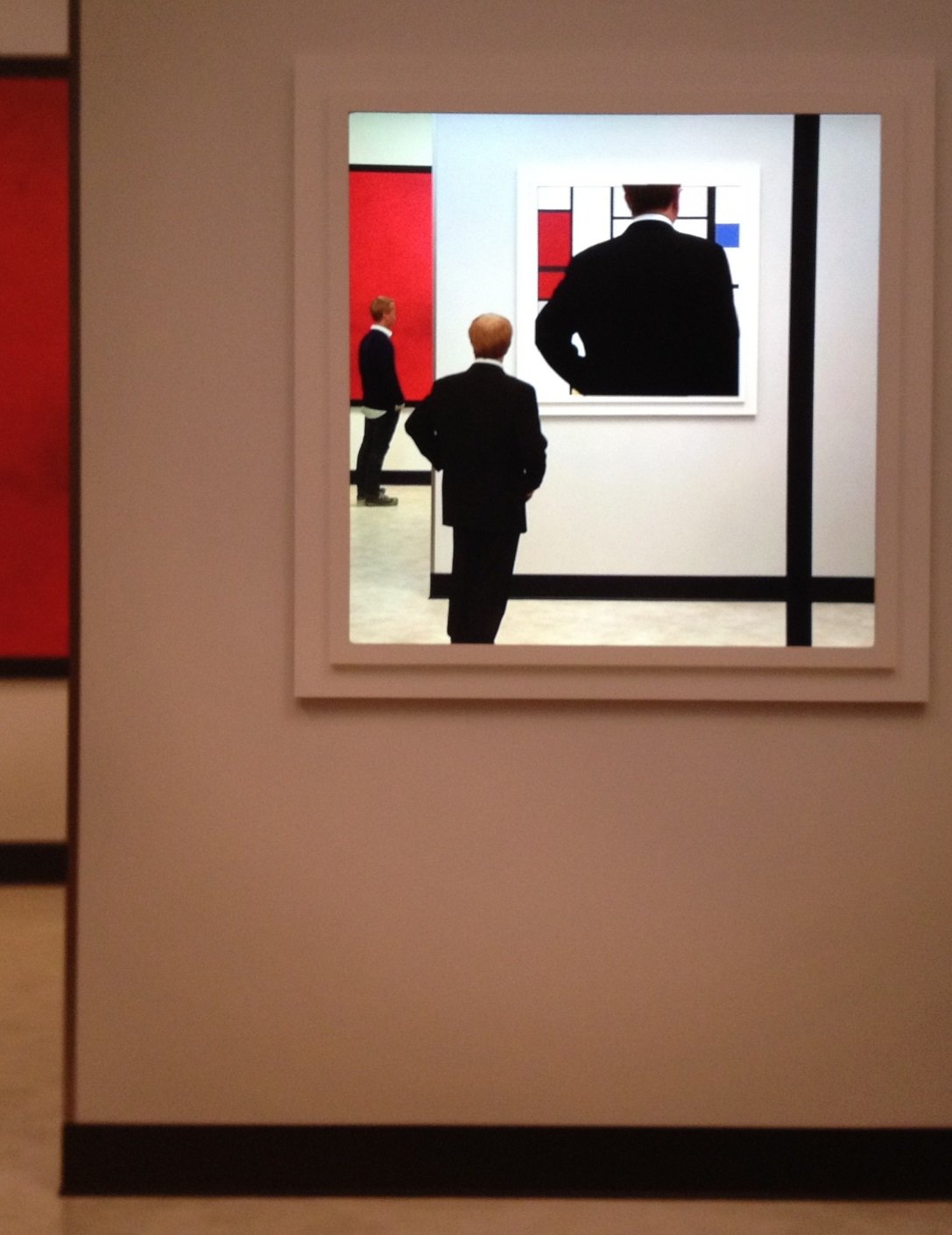
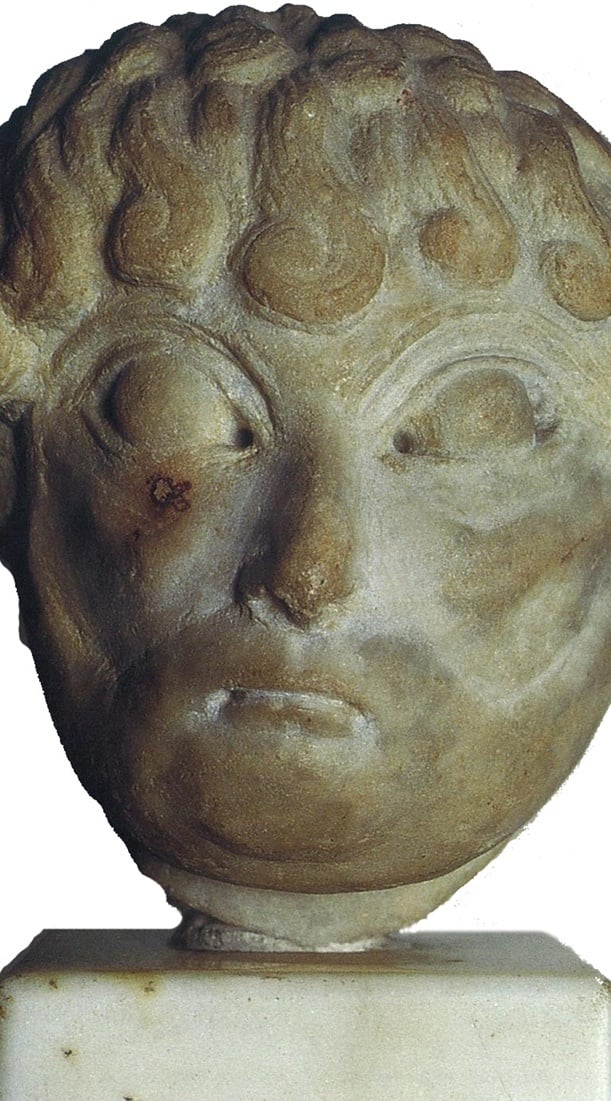

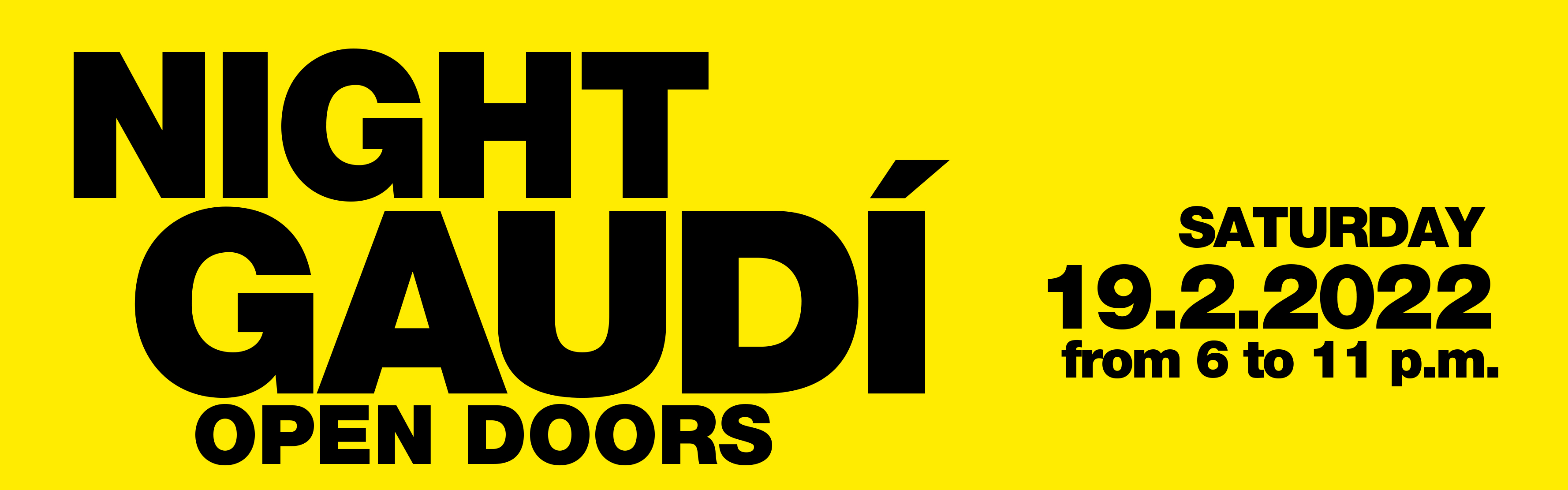
On Saturday 19 February, from 6 pm to 11 pm, we invite you to rediscover the figure of Antoni Gaudí and the Barcelona where he lived in a new light, with open doors to the Gaudí exhibition and the Modern Art collection!
From 7 pm to 10 pm we offer you Strolling through Gaudí's Barcelona, a selection of commented artworks from the Modern Art Collection on Gaudí's Barcelona, up to the architect's death in 1926. You will be able to enjoy the collection from new perspectives and discover new additions to the artrooms.
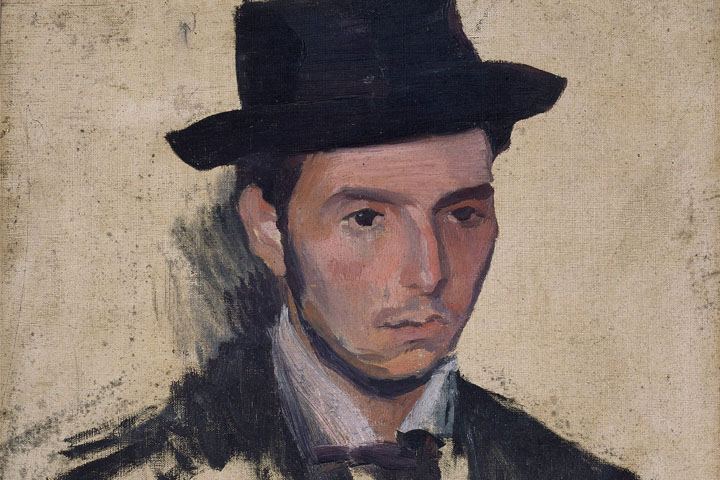
Portrait of Josep Pijoan, Francesc Torres-García
Room 40
Catalan: 7, 8 and 9.15 pm; Spanish: 7.30, 8.30 and 9.45 pm
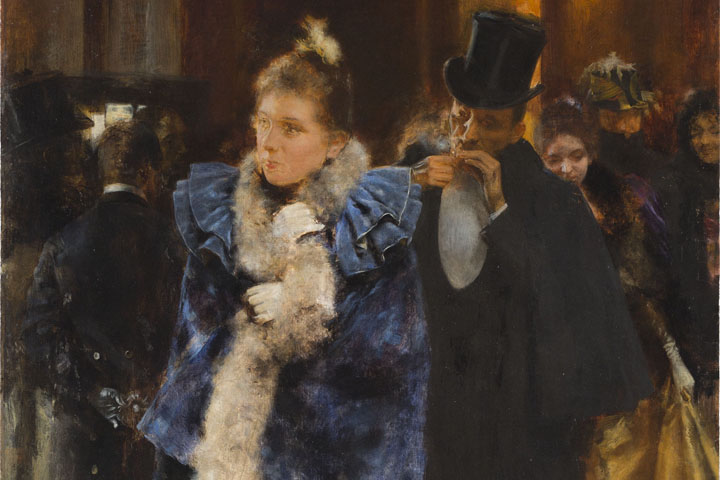
Leaving the Ball, Romà Ribera
Room 45
Catalan: 7.15, 8.15 and 9.30 pm; Spanish: 7.45 and 9 pm
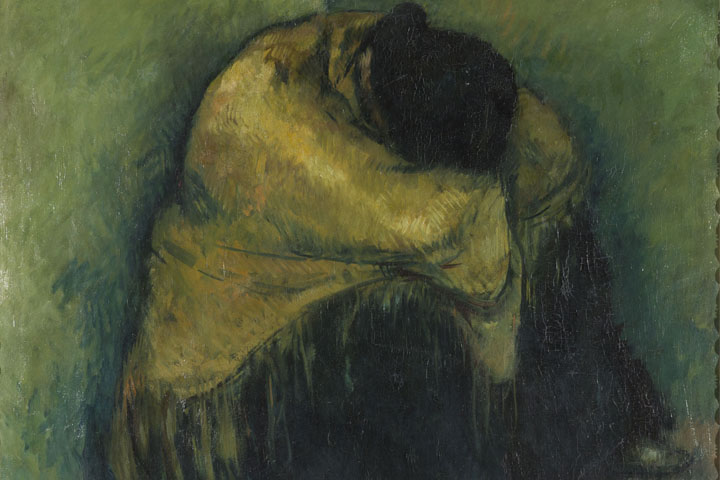
Rest, Isidre Nonell
Room 46
Catalan: 7, 8 and 9.15 pm; Spanish: 7.30, 8.45 h and 9.45 pm
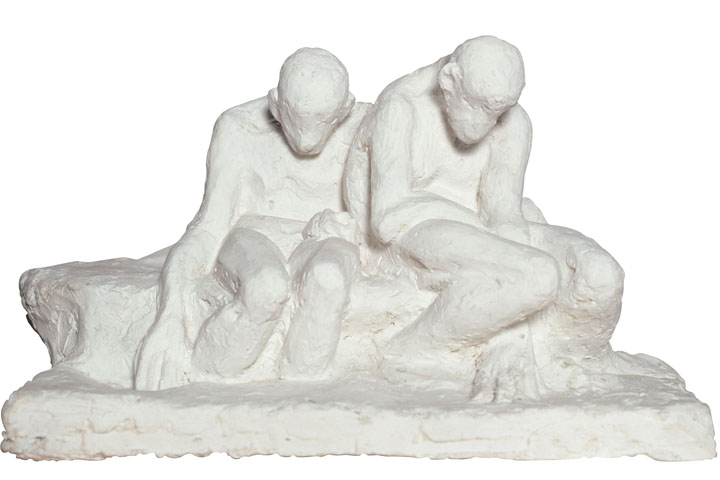
The Degenerate, Carles Mani
Rooms 46 - 47
Catalan: 7.15, 8.15 and 9.15 pm; Spanish: 7.45 and 9 pm

The sea wall and the fortress of Montjuich, Charles Clifford
Room 50
Catalan: 7 and 8.30 pm; Spanish: 7.45 h and 9.30 pm
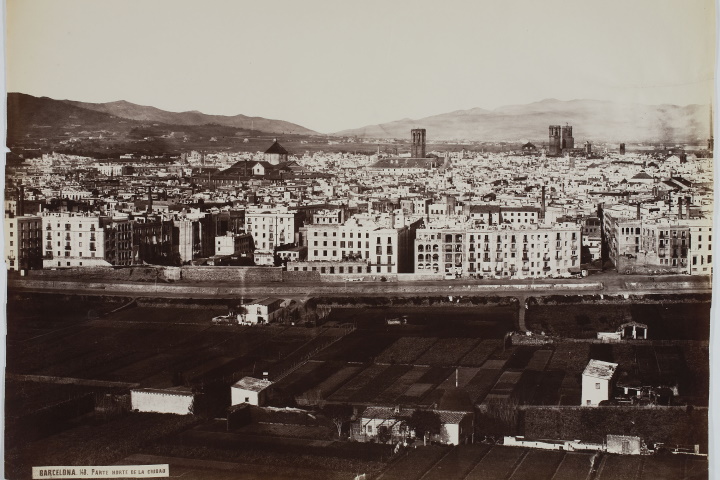
Northern part of the city, Charles Clifford
Room 50
Catalan 7 and 8.30 pm; Spanish: 7.45 and 9.30 pm
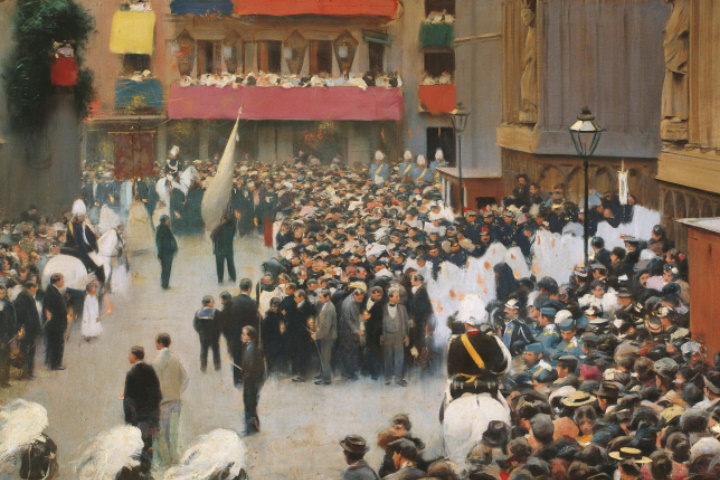
The Corpus Christi Procession Leaving the Church of Santa Maria, Ramon Casas
Room 50
Catalan: 7.15 and 8.45 pm; Spanish: 8 and 9.45 pm
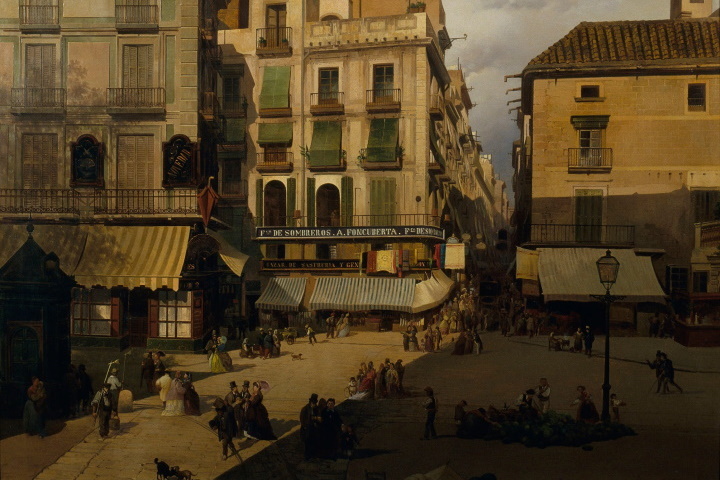
El pla de la Boqueria, Achille Battistuzzi
Room 40
Catalan: 7.30 and 9.15 pm; Spanish: 8.15 pm
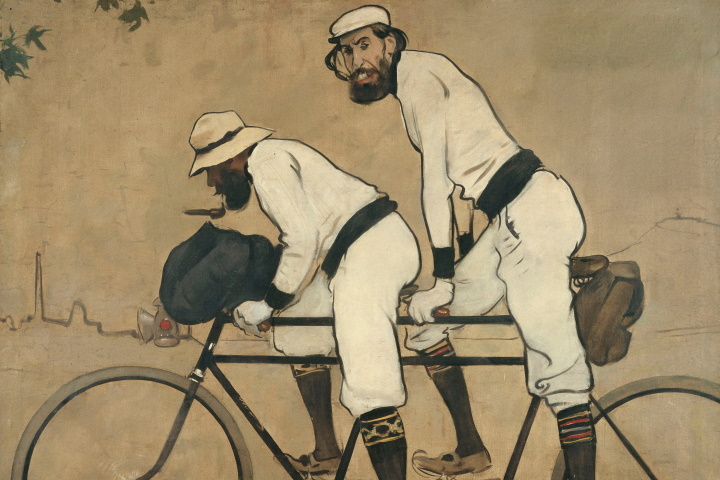
Ramon Casas and Pere Romeu on a Tandem, Ramon Casas
Room 54
Catalan: 7, 7.30 and 8 pm; Spanish: 7.15, 7.45 and 8.15 pm
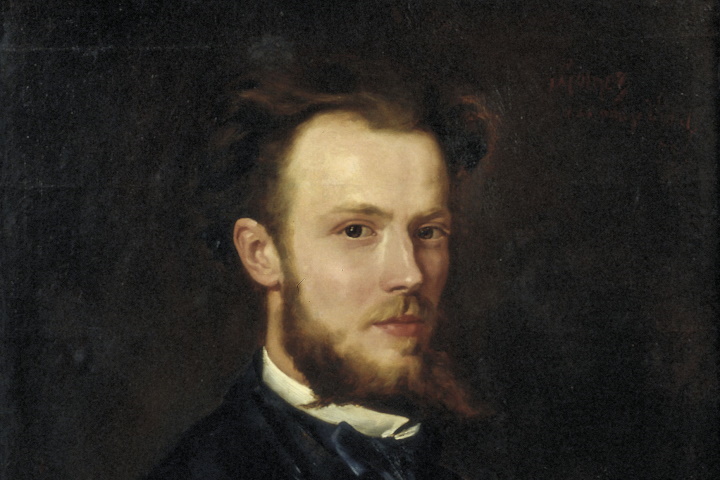
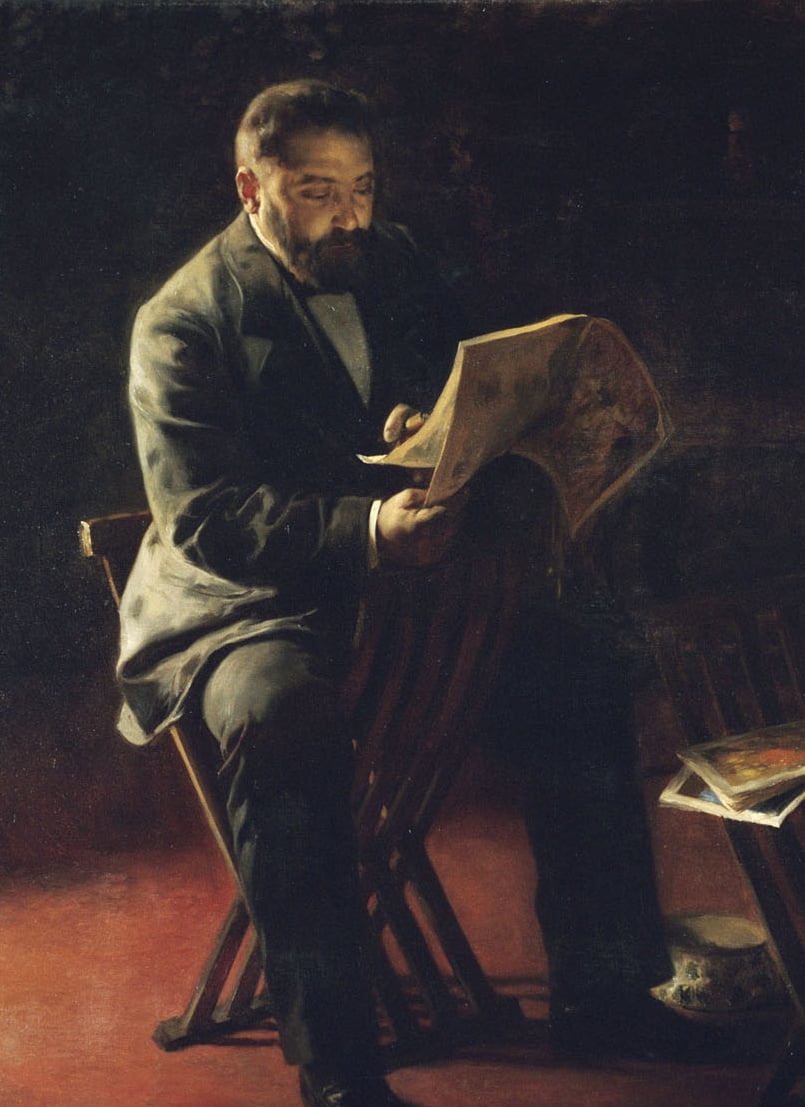
Portrait of the cabinet-maker Francesc Vidal i Javellí, Simó Gómez
Room 56
Catalan: 7, 8 and 9.15 pm; Spanish: 7.30, 8.30 and 9.45 pm
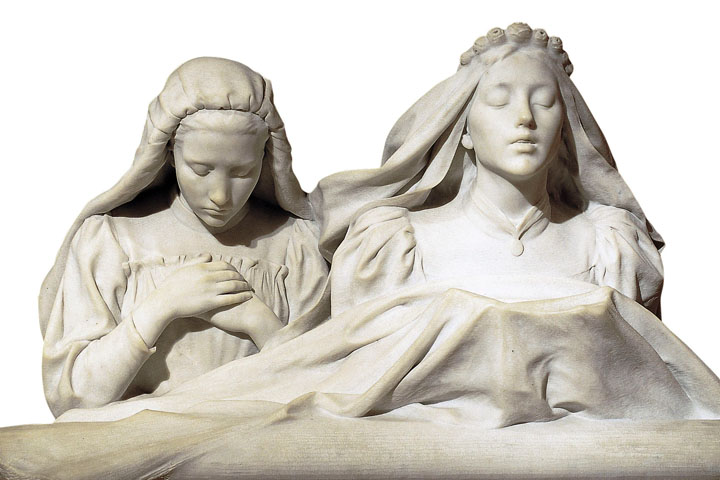
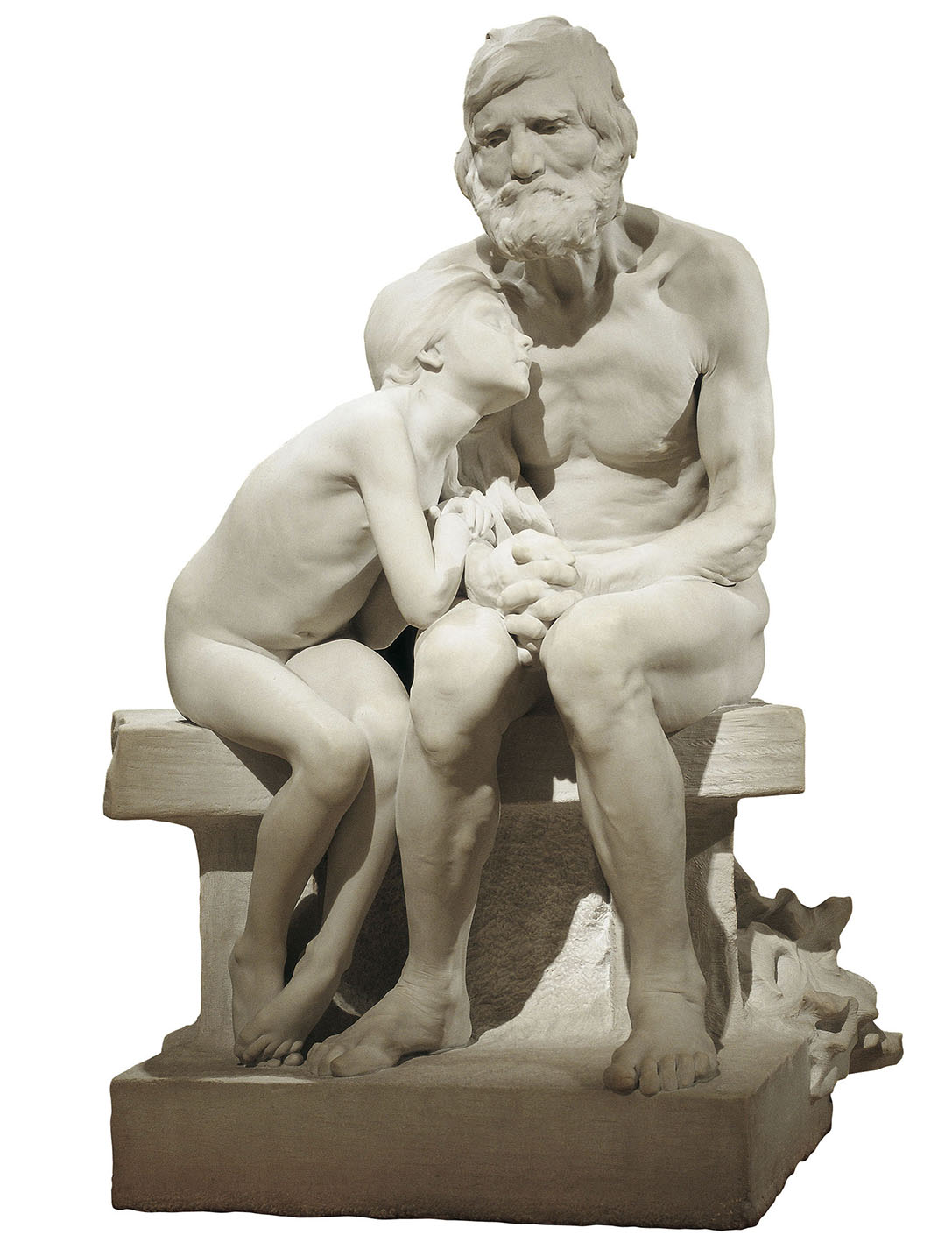
First Communion, Josep Llimona
Room 57
Catalan: 7.15, 8.15 and 9.30 pm; Spanish: 7.45 and 9 pm
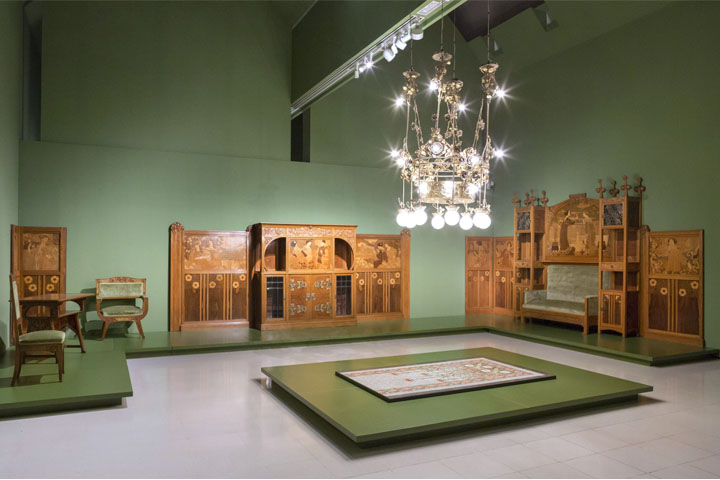
Main floor living room from Casa Lleó Morera. Gaspar Homar, Josep Pey, Eusebi Arnau
Room 59
Catalan: 7, 8 and 9.15 pm; Spanish: 7.30, 8.45 and 9.45 pm
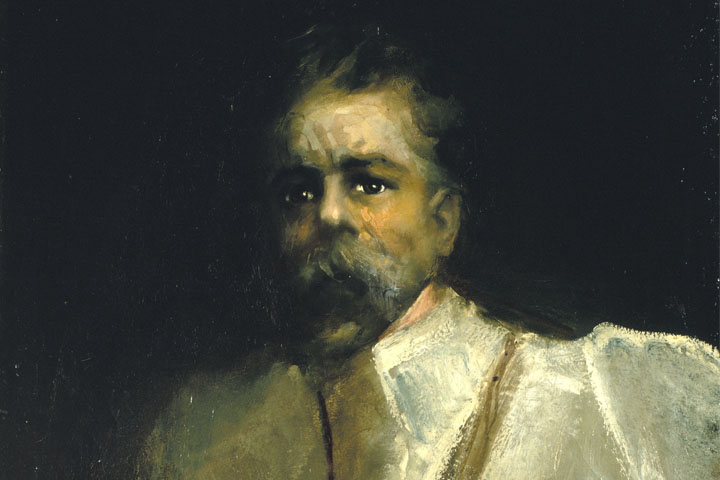
Self-portrait, Aleix Clapés
Room 60
Catalan: 7.15, 8.15 and 9.30 pm; Spanish: 7.45 and 9 pm
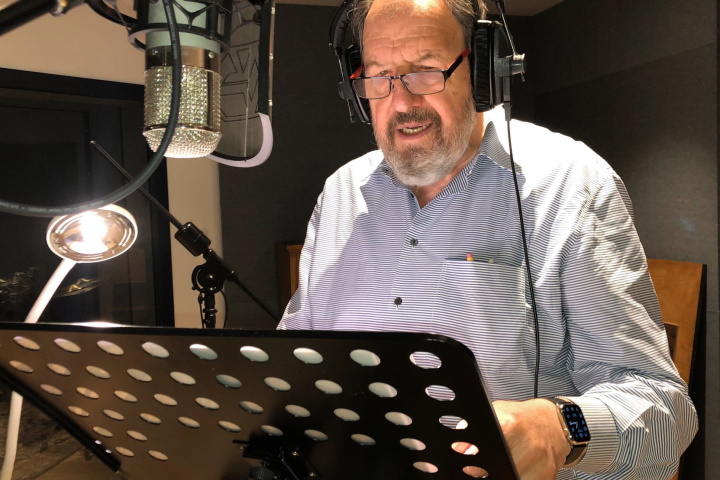
WebApp for mobile use. To access you must enter the code 1418
Playlist created in collaboration with ESMUC
| Sweet and savoury offerings in the Cafè and in the Oval Room: chocolate and much more! |
 |
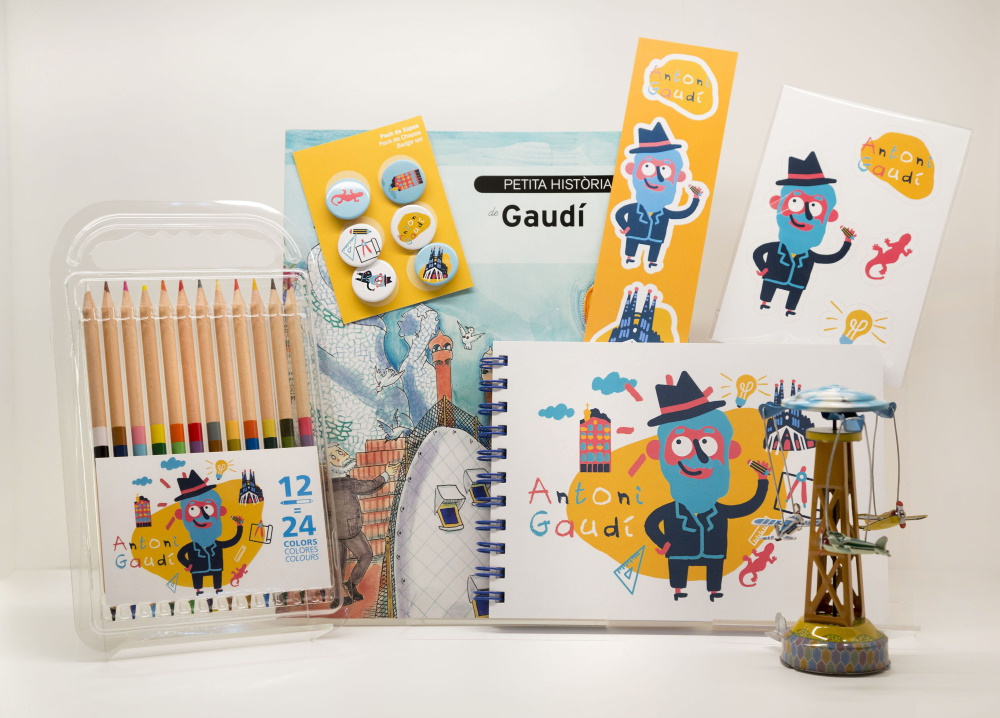 |
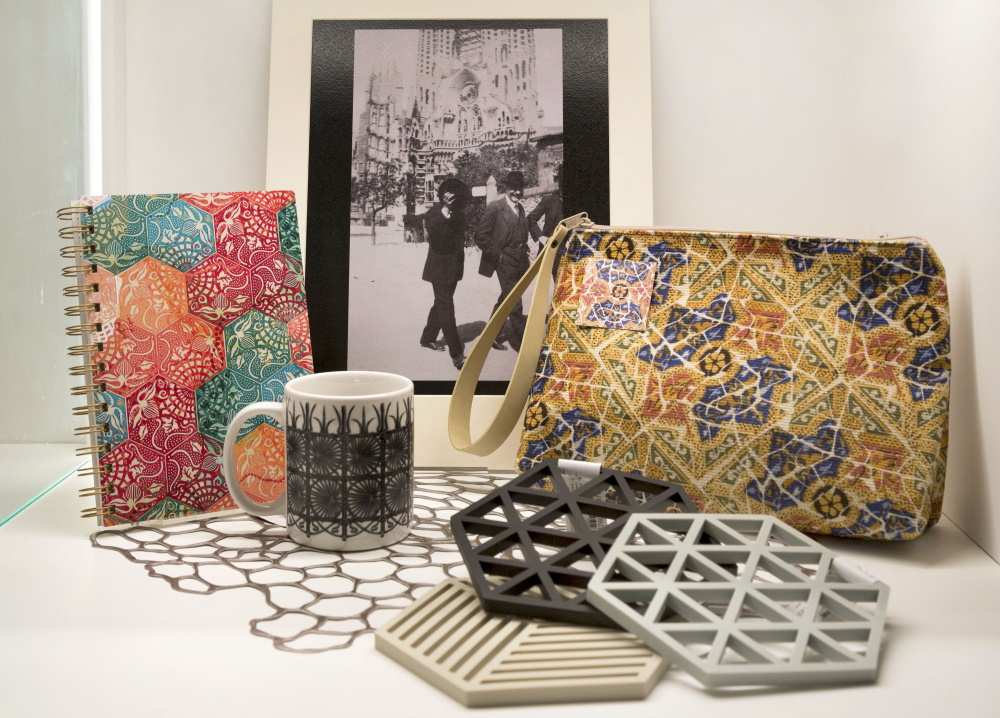
Merchandising of the Gaudí exhibition in shop |
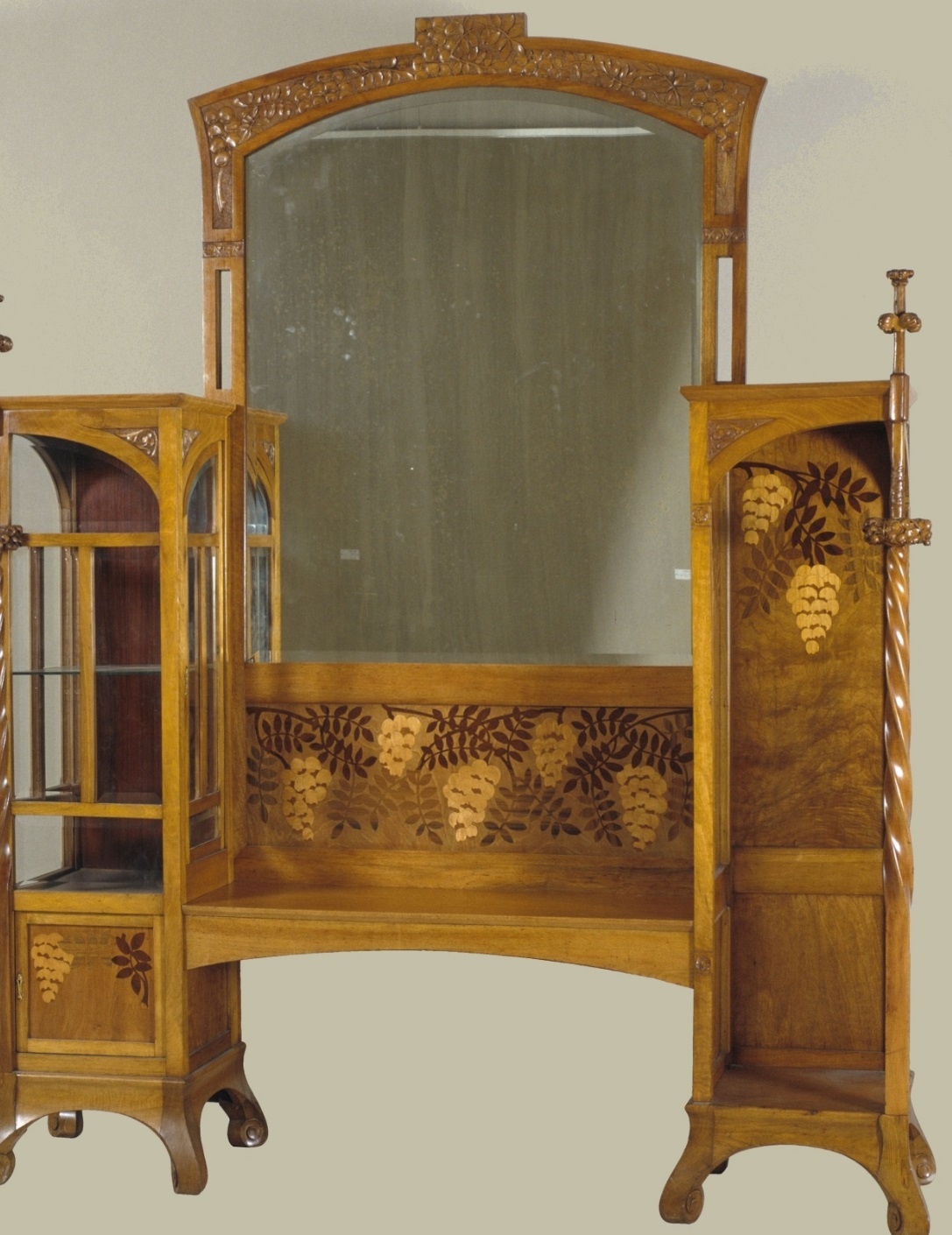
The Modern Art Collection has a new work: a settee/cabinet designed by Gaspar Homar, a key figure of Modernisme. This work complements the magnificent collection of decorative arts kept at the museum. The item was part of the furnishing of the home of...
Read more
During the second half of the 19th century, as a reaction to industrialised, mass-produced ornamental production, the traditional trades saw a revival all over Europe. Artists and architects designed everything from glass cases to paving, and craftsmen of all sorts –cabinet-makers, upholsterers, goldsmiths, ironsmiths, potters, glaziers, etc.– found a common home in an architecture that dreamed of conducting a new harmony in the arts and crafts as much as it yearned for the synthesis of art and life. Faced with a city riven by violence and the class struggle –remember Barcelona had a flourishing working-class movement in those days and was known around the world as the Rose of Fire–, the home became the ideal refuge for that bourgeois utopia.