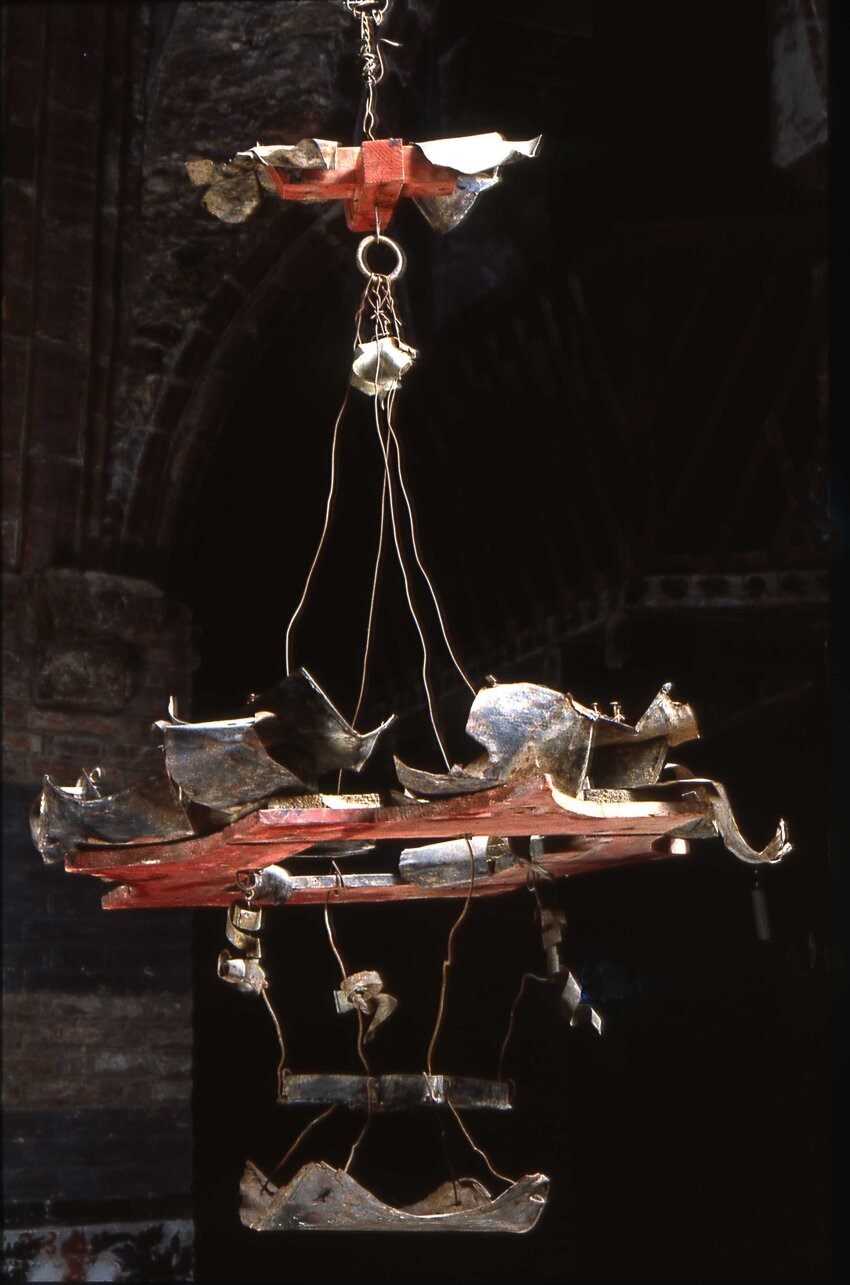
The artist and poet Perejaume (Sant Pol de Mar, 1957) is working on the first major exhibition at the Museu Nacional d’Art de Catalunya dedicated to Josep Maria Jujol following the donation of the architect’s entire documentary collection, which the family has given to the COAC and the MNAC.
The Museum is organising this exhibition as part of the World Capital of Architecture, which Barcelona will celebrate in 2026.
Josep Maria Jujol (Tarragona 1879–Barcelona 1949) is one of the most brilliant and original figures in early 20th-century architecture. In fact, the MNAC has dedicated a permanent collection space to him since 2014. Simultaneously an architect, artist, and craftsman, the allure of his work has continued to grow in recent decades.
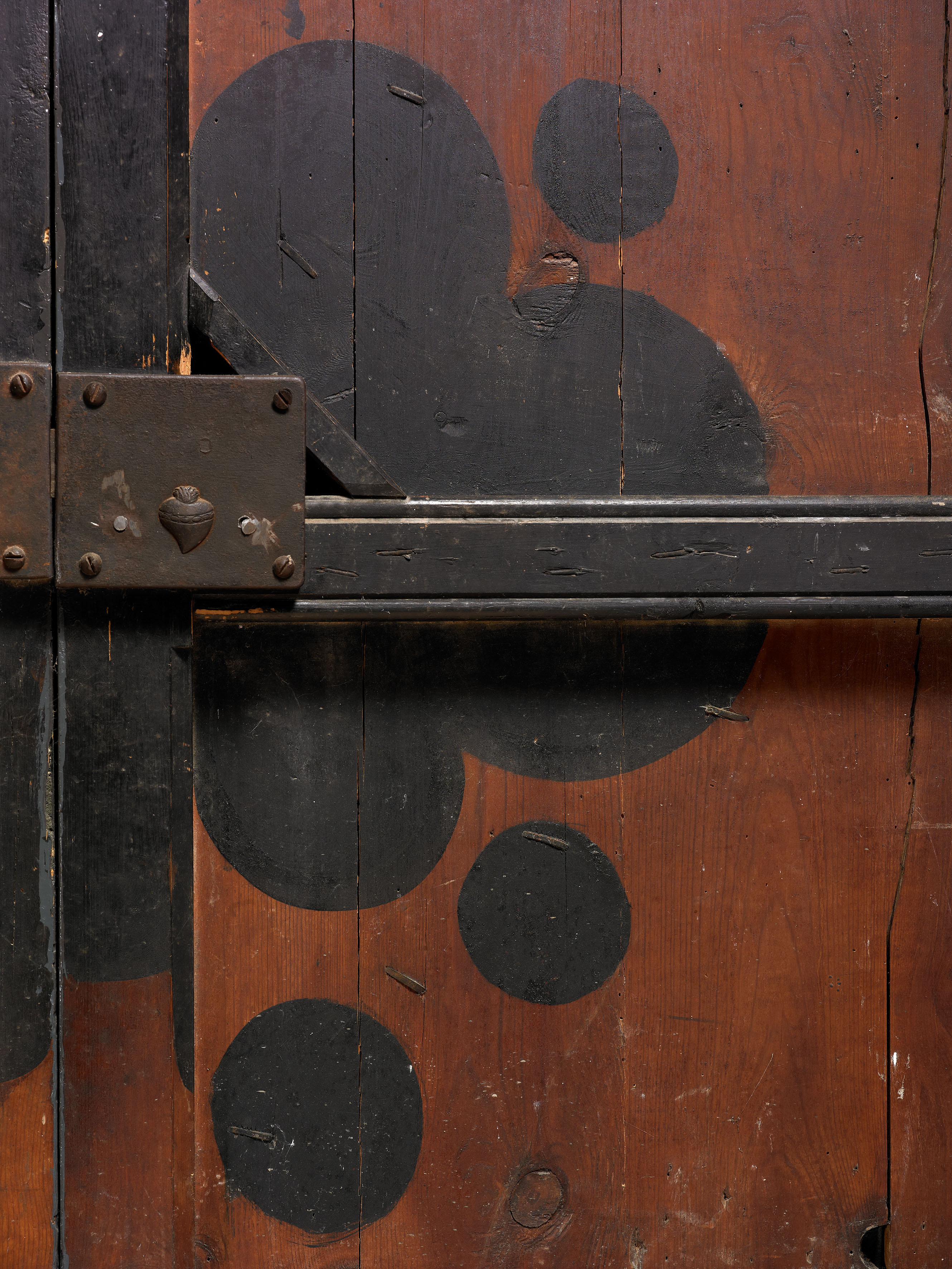
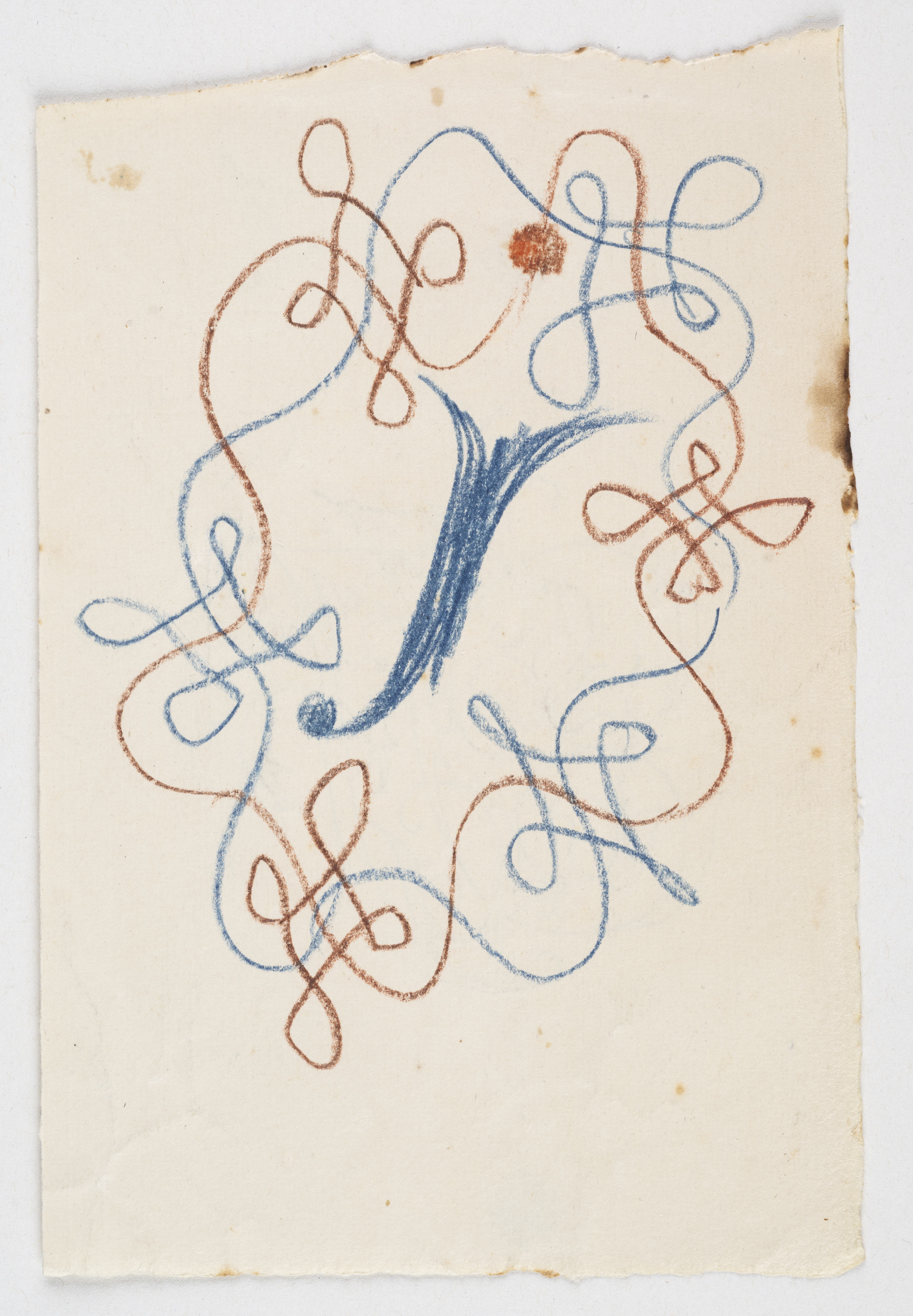
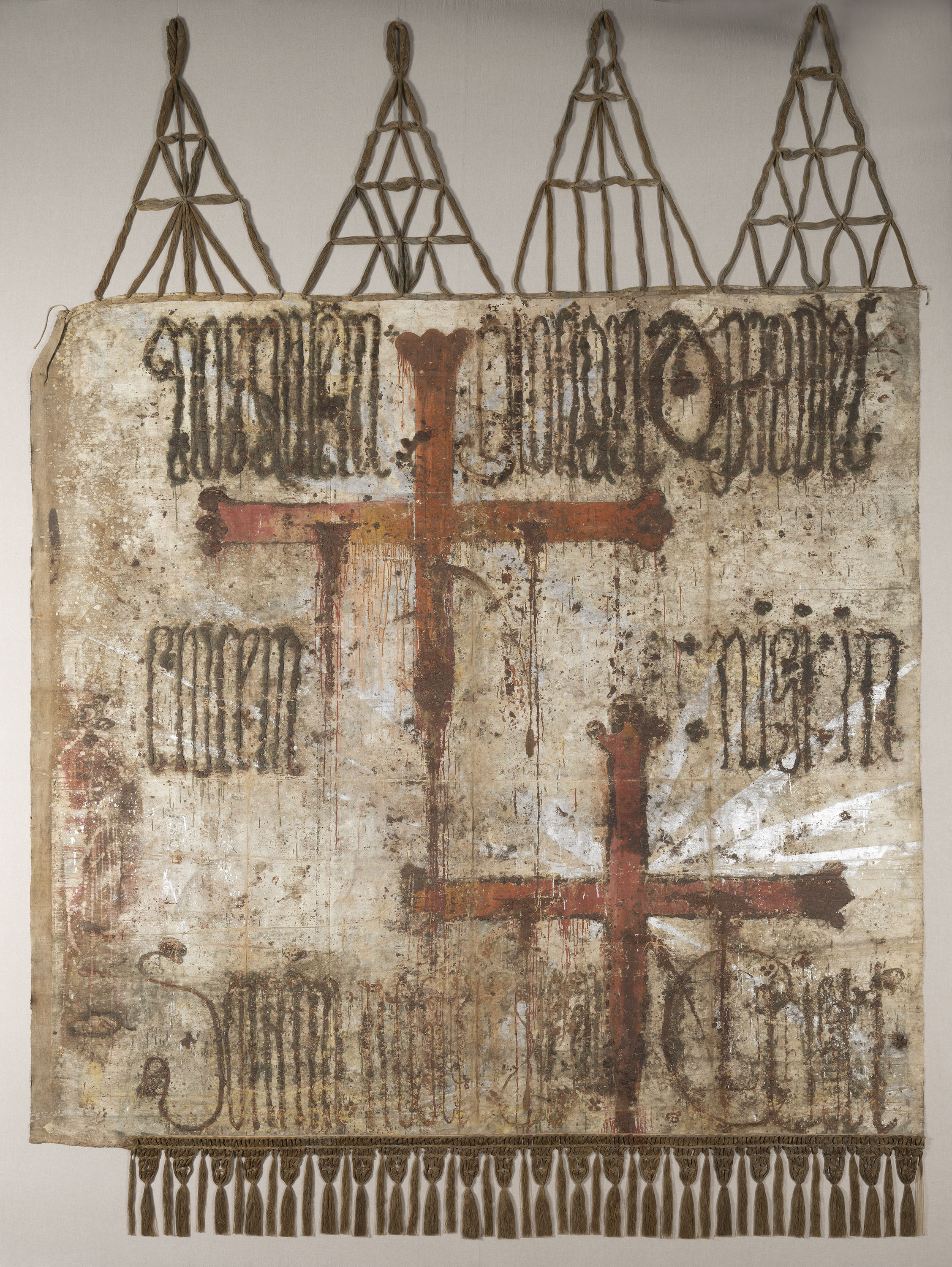
In addition to Jujol’s works from his legacy—comprising more than 10,000 papers, items, and pieces of furniture—and numerous other public and private collections, the exhibition will present works by architects such as Antoni Gaudí and Bruno Taut, along with artists such as Vladimir Tatlin and Henri Matisse.
This exhibition follows the line of another artistic project by Perejaume at the Museu Nacional, Mareperlers i ovaladors. Manoeuvre by Perejaume (2014). Paintings, drawings, sculptures, installations, photographs, videos, books and much more comprise the list of media and resources this artist has used in his projects since the late 1970s. Its entirety encapsulates an artistic system with deep critical power regarding globalised ways of life. His understanding of art is linked to ways of life strongly connected to rural traditions. Through his work, Perejaume promotes a common space where the human and the non-human meet through unconventional writing, all carried out with luminous irony.
Jujol in Perejaume’s words:
"For about fifty years, Josep Maria Jujol has been an architect for the refined. The relatively small scale and the multitudinous, dispersed nature of his actions have kept his work in a state of continuous discovery. Today, beyond his collaboration with Antoni Gaudí—which was fundamental for both architects—Jujol’s creations constitute one of the most singular lyrical adventures in European architecture during the first quarter of the 20th century.
Anyone who approaches his work sees a fact take shape: it is powerful and delicate at the same time. This architect’s work strives to be highly visible and discreet in equal measure. Therefore, cautious in proposing an exhibition, we wanted to understand how to display and conceal his work as it deserves. It is not easy to know how to exhibit and how not to overexpose, but a work so tied to the ideal of discretion and surprise requires it. This remains true today because, due to the fragile, scattered, and vulnerable nature of the creations, his entire body of work would not withstand the impact of the mass audience it has begun to receive. In this context, certain discourses seeking acclaim for Jujol also victimise the architect; in reality they only fuel the vapid nature of the media and undermine that Jujolian wisdom of knowing how to stay on the sidelines.
How to exhibit without overexposing? The fact that the exhibition is being handled by another artist might help provide a protective layer for Jujol’s work. At least that is our intention. We also believe that the opening of the architect’s work to other worlds and other names that are intertwined with it—popular culture, Baroque, Picasso, Miró, Matisse—can contribute.
This is our idea: to celebrate the fertile, imaginative, and festive quality of an exceptional creator while seeking to preserve the genuine strength that still resides in some of his buildings, drawings, pieces of furniture, ironworks, and sgraffitos. Yet the question continues to challenge us: How can we exhibit Jujol? How can we avoid overexposing him? How can we let the materials shine without robbing them of any of their power?
On another note, we would like to highlight the compassionate intent reflected in all of Jujol’s buildings, beyond the explicitly liturgical ones. Jujol’s poetics unfold in a radical tension between audacity and devotion, between modernity and resistance, and, especially in his early works, avant-garde and religiosity absolutely go hand in hand.
One final point: in recent decades, there have been various exhibitions of Jujol’s work. This one has the pleasure of presenting, for the first time, the architect’s complete documentary collection—more than 10,000 papers, items, and pieces of furniture, recently donated by the family to the Architects’ Association of Catalonia and the Museu Nacional d’Art de Catalunya. It will be a privilege to begin to offer a reading of these materials with the help of the entire exhibition team."
Manoeuvrer
17-03-2025
Organised and produced by the Museu Nacional d’Art de Catalunya in collaboration with the Museu d’Art Modern de Tarragona and the COAC.