

The Art That Is Sung: Renaissance Polyphony Among Canvases and Brushes
The Art That Is Sung: Renaissance Polyphony Among Canvases and Brushes
Share


Sunday 21 June.
- First performance: 11:00 a.m.
- Second performance: 12:00 p.m.
Place:
Huguet-Dalmau Room, Oval Hall and Dome Hall
Description:
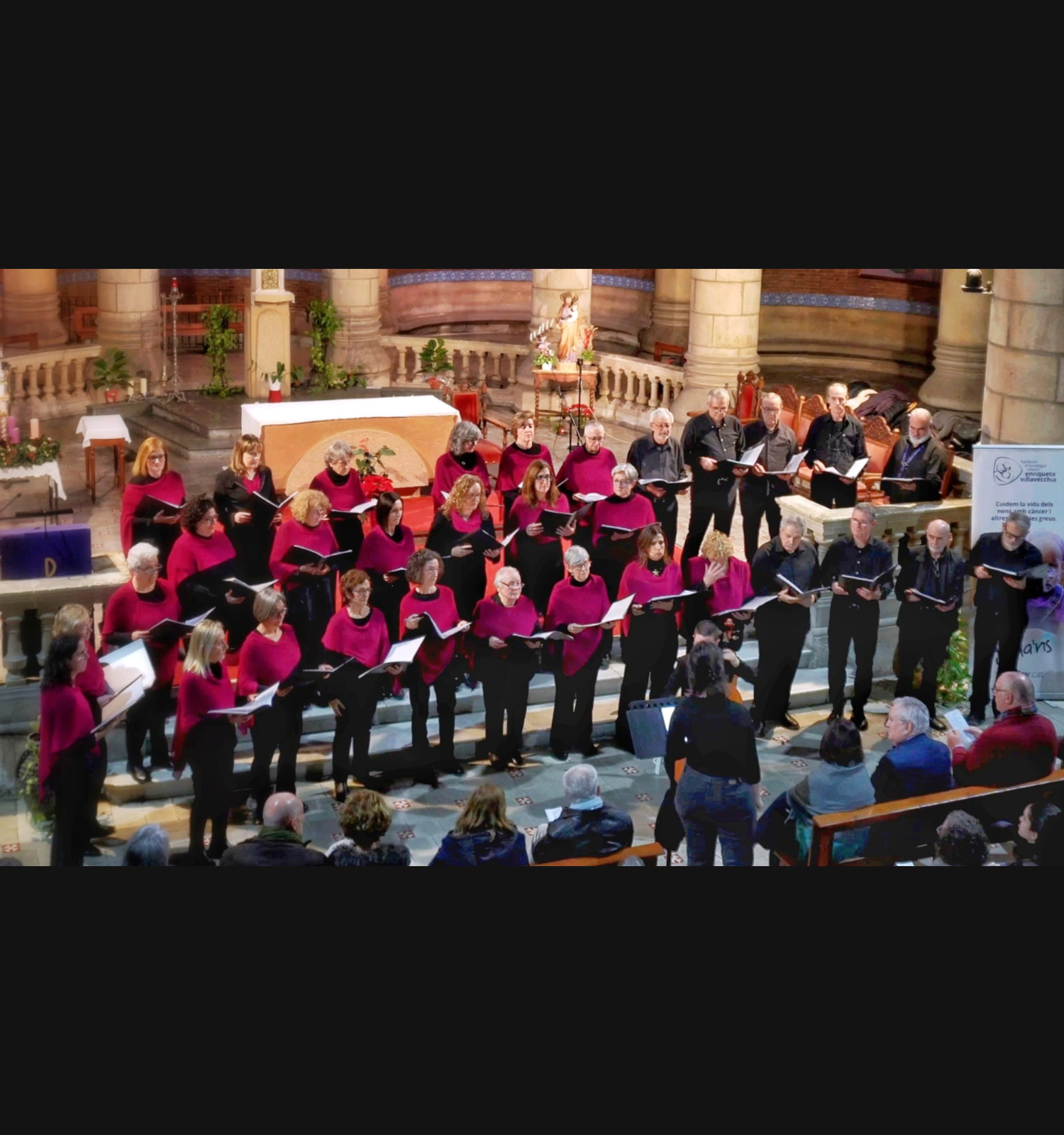
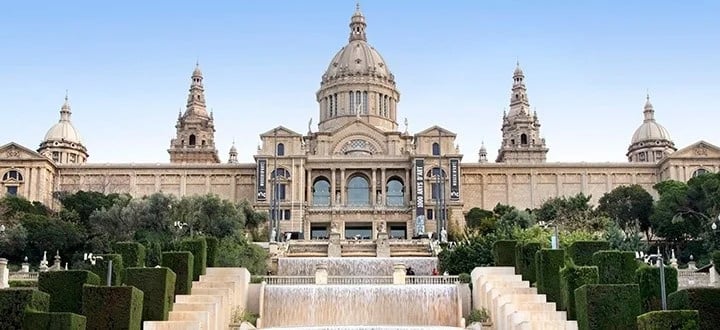
A roaming concert by the Orfeó Martinenc inviting visitors to discover the museum’s collection through Renaissance vocal music. It offers a musical journey through different areas of the MNAC collections, culminating in the Dome Hall.
The activity transforms the museum visit into an immersive experience that combines music and cultural mediation. As they move through different collection spaces, visitors will hear a programme of Renaissance polyphony performed live by the Orfeó Martinenc, creating a dialogue between the visual arts and musical heritage.
Through guided commentary by Laia Lebrero and performances of works by Renaissance composers and songbooks, the programme contextualises the artworks within their original cultural and sonic universe, offering a new way of engaging with the Museum’s collections.
The Orfeó Martinenc Choir is part of a century-old institution founded in 1910 in Barcelona’s Clot neighbourhood. It became one of Catalonia’s leading choral societies until the Spanish Civil War (1936–1939) interrupted its activities. The choir resumed its musical activity in the 1980s. In 1993, it recorded Carl Orff’s Carmina Burana at the Bordeaux International Fair Auditorium (France), together with four European choirs and accompanied by the Lithuanian National Youth Orchestra. It has performed throughout Spain as well as in France, Italy and Portugal. Today, it is a mixed choir of 49 singers performing music from around the world, spanning a wide variety of composers, styles and periods. The choir is directed by Nacho Cantalejo.
Musical Director: Nacho Cantalejo
Activity Mediation and Host: Laia Lebrero
Musical Programme:
- Pase el agoa / Dindirindin. Narratives of Everyday Life: Works that evoke the dynamism and secular character of the Renaissance, connecting with the genre scenes represented in the collection.
- Señora de hermosura. The Humanist Ideal: Juan del Encina’s piece reflects the transition from Gothic religiosity towards the idealisation of the human figure and the individual, a central theme in Renaissance painting.
- Más vale trocar. Emotional Contrasts: An exploration of human ethos that resonates with the drama and introspection found in portraits of the period.
- Hoy comamos. Secularisation and Festivity: A direct connection with secular scenes and the celebration of human vitality, breaking away from sacred solemnity.
- El grillo (Josquin des Prez). Symbolism and Nature: An example of sound mimesis that dialogues with the growing importance of landscape and animal symbolism in sixteenth-century art.
- Tourdion. Rhythmic Richness and Social Context: A representation of dance and courtly culture, providing a conclusion that situates art within its social context of production.
Information and reservation:
Activity included with the basic admission ticket (€2). Advance registration is required. Limited capacity.
Check out all the activities of #CapDeSetmanaMNAC